


The coffee water ratio for pour over is the single variable that determines whether your cup is balanced, flat, or overwhelming — more than technique, more than equipment. A 1:15 ratio (13 grams of coffee to 200ml of water) is the most reliable starting point for a full-bodied, well-balanced cup. From there, small adjustments unlock dramatically different flavor profiles depending on your beans, roast, and processing method.
Why the Coffee Water Ratio Is the Single Most Important Pour Over Variable
Most people obsess over their pour technique, the shape of their dripper, or which filter brand to use. But here is what I tell every customer who is new to pour over: if your ratio is off, none of that other stuff matters.
The ratio is your foundation. Get it right, and even an imperfect technique will produce a decent cup. Get it wrong, and you can have the most expensive setup in the world and still end up with something flat or harsh.
My starting point — always — is 13 grams of coffee per 200ml of water. That is roughly a 1:15 ratio(1gr of coffee per 15ml of water), and it is where I see the most balanced results with Colombian specialty coffee. It is not a random number. It is the ratio that consistently produces a cup with body, clarity, and a pleasant acidity that does not overwhelm. Having worked directly with Colombian farms, I can tell you that the terroir of regions like Huila and Nariño rewards precision — and ratio is where that precision starts.
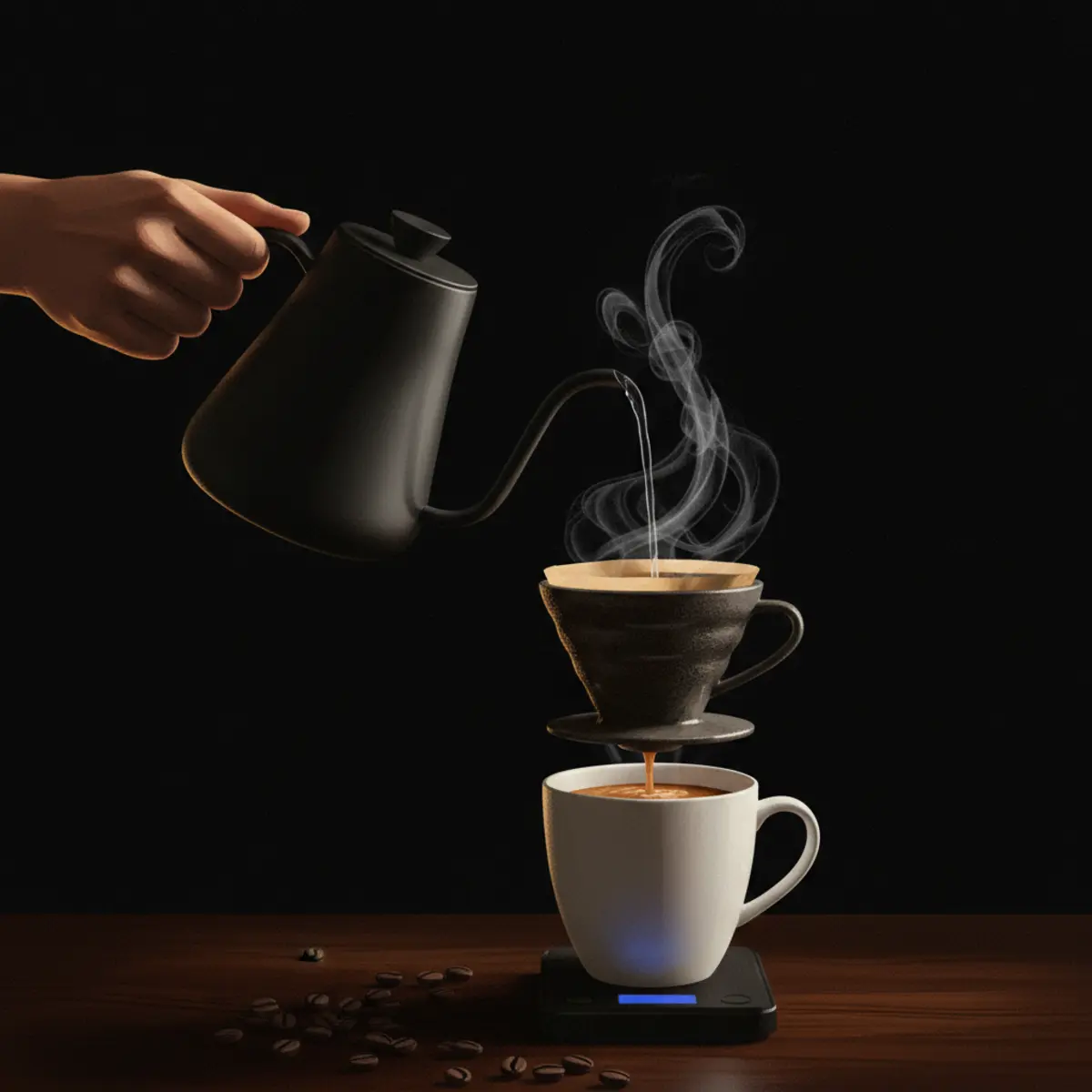
The Most Common Pour Over Ratios and What They Actually Taste Like
The difference between a 1:15 and a 1:17 is not subtle. These are two genuinely different cups — different in texture, different in what flavors come forward, and different in how the coffee sits on your palate. Understanding this range is the core skill of pour over brewing.
1:15 — Bold and Full-Bodied
Using more coffee relative to water gives you a heavier body and a silkier mouthfeel. With our C8th medium roast, this is where the chocolate and panela notes — that raw cane sugar sweetness that is so distinct in Colombian coffee — really come forward.
This is my go-to ratio, and it is what I recommend as a starting point for anyone trying our coffee for the first time. The caveat: do not push it too far. If you go significantly over that dose, you risk tipping into excessive acidity, which works against everything you are trying to bring out.
- Body: Heavy, silky mouthfeel
- Flavor notes: Chocolate, panela, caramel
- Best for: Colombian medium roast, washed-process coffees
- Watch out for: Over-dosing, which can push acidity too high
1:16 to 1:17 — The Sweet Spot for a Cleaner Cup
Drop the dose slightly and something interesting happens: the cup gets lighter, cleaner, and the malic acidity — that crisp, apple-like brightness — becomes more pronounced. Notes of jasmine and berries that were sitting in the background at 1:15 start stepping forward.
For Colombian single origins, especially washed-process coffees, this range can be beautiful. The tradeoff is that if you go too light on the coffee, you end up with a watery, lackluster cup that does a disservice to the bean. So 1:16 is usually where I would stop if I am going in this direction.
- Body: Light to medium, clean finish
- Flavor notes: Jasmine, berries, malic acidity
- Best for: Single origins, delicate washed coffees
- Watch out for: Going past 1:17, which risks a thin, watery cup

How Roast Level and Origin Change Your Ideal Ratio
This is the part most brewing guides skip, and it makes a real difference with specialty coffee. Colombian coffee — particularly at a medium roast — is naturally well-suited to pour over. The roast profile produces a cup with medium-to-full body and a pleasant acidity that does not need much coaxing. But the key assumption is that your grind is coarse. A coarse grind is what allows you to properly extract the flavors that the Colombian terroir actually puts into the bean. Grind too fine and you will over-extract no matter what ratio you are using.
Light and Medium Roasts: Why Processing Method Changes Everything
At C8th, we currently offer a medium roast, so the ratio shift for us is not really about roast level — it is about processing method. And this matters more than most people realize.
Here is how the three main processing methods affect your ideal pour over ratio:
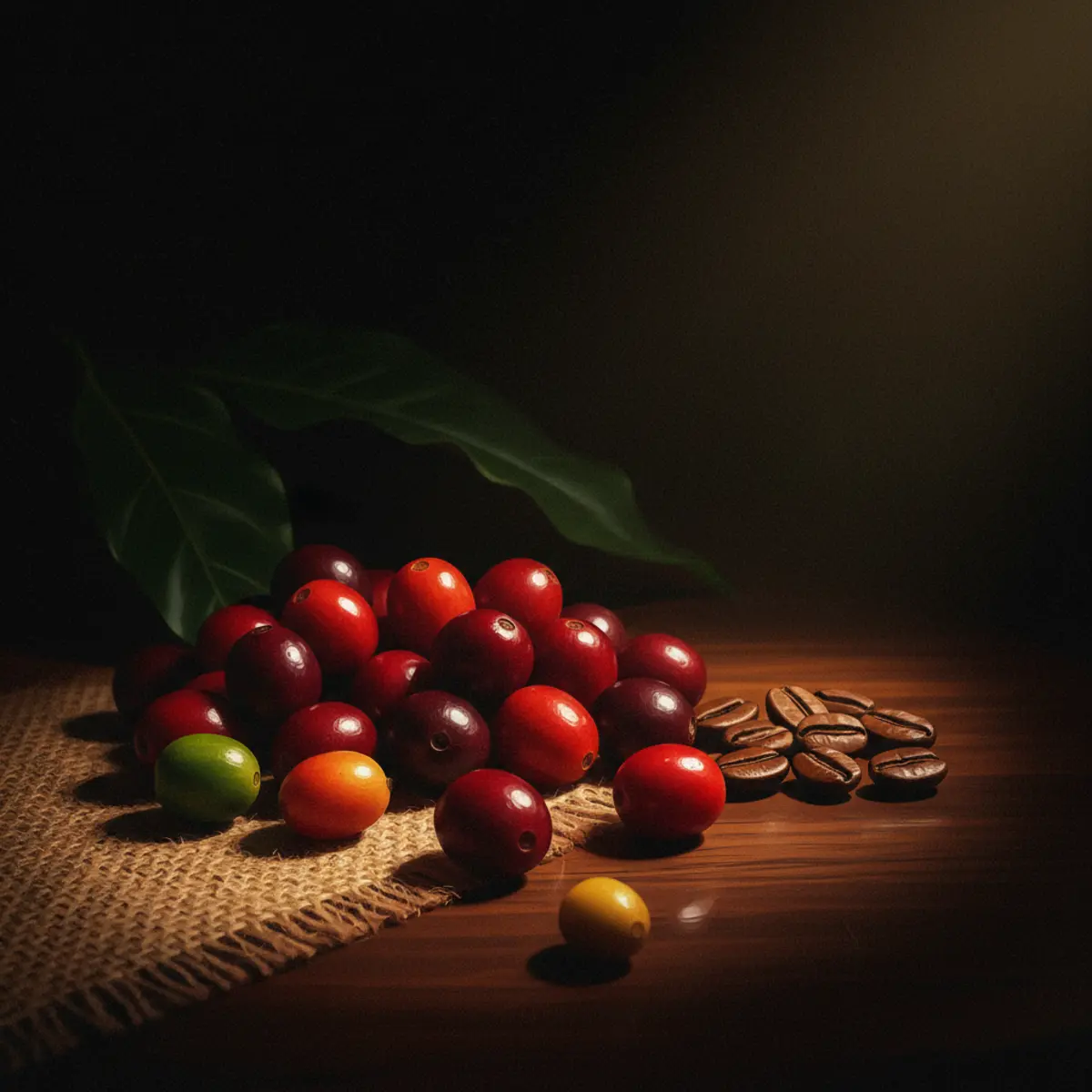
- Washed process: Outer skin removed, mucilage washed off, then fermented and dried. Result: the most balanced, clean cup. Best at 1:15 — you need a bit more coffee to bring out the full character.
- Natural process: Fermented and dried with the skin on. Result: intense, fruit-forward, sometimes almost wine-like. Start lighter at 1:16 to 1:17 — the intensity is already built into the bean.
- Honey process: Skin off, but mucilage stays on during fermentation and drying. Result: noticeably sweeter cup. Falls between washed and natural — 1:15 to 1:16 works well.
In my experience, the processing method is the variable that most home brewers overlook when dialing in their ratio. If you are brewing a Natural and using a 1:15 ratio, you may find the cup overwhelming. Back off to 1:16 and the fruit notes become expressive rather than aggressive.
How to Measure Coffee and Water Accurately
Use a scale. Measuring by volume — scoops, tablespoons — introduces too much variation because grind size affects density. In grams, 13g of coffee to 200ml of water is precise and repeatable. If you do not have a scale yet, one heaping tablespoon plus a small extra pinch of coarsely ground coffee gets you close to that 13g target per 200ml cup. Water temperature should be between 195–205°F (just off the boil). Use spring water, not distilled — minerals in the water are essential for proper extraction.
| Coffee (g) | Water (ml) | Ratio | Cup Size |
|---|---|---|---|
| 13g | 200ml | 1:15 | Single cup |
| 26g | 400ml | 1:15 | Two cups |
| 13g | 220ml | 1:17 | Single cup, lighter |
Troubleshooting: Your Ratio Is Right but the Cup Tastes Wrong
This one I learned the hard way, and it has stuck with me ever since. We were hosting a tasting event — one of our first at C8th — and someone grabbed a large jug of water without checking what kind it was. Distilled water. We brewed the first batch, someone took a sip, and told us the coffee was horrible. That stung. But when we tasted it ourselves, they were right.
One call to our coffee cupper later: "What water did you use?" Distilled. "OH NOOOO." Distilled water lacks the minerals that help extract flavor properly. Spring water is what you want. We switched it out, brewed again, and the rest of the day was a success.
So when someone tells me their pour over tastes bitter or sour despite using the right ratio, the first thing I ask is: what water are you using? After that, here is how I troubleshoot by symptom:
- Bitter cup: Usually over-extraction. Try a coarser grind or drop your dose slightly toward 1:16.
- Sour cup: Usually under-extraction. Try a finer grind, hotter water (closer to 205°F), or bump up to 1:15 if you are below that.
- Weak or watery cup: Ratio is too light. Move from 1:17 toward 1:15 and confirm your grind is not too coarse.
- Harsh or astringent cup: Often a grind issue combined with a ratio that is too concentrated. Coarsen the grind before adjusting the ratio.
- Flat, no complexity: Check your water — distilled or very soft water kills flavor. Switch to spring water.
The fix is not always in the ratio. Sometimes it is the water. Sometimes it is the grind. Usually it is both working against each other. Isolate one variable at a time.
Frequently Asked Questions
What is the best coffee to water ratio for pour over?
A 1:15 ratio — 13 grams of coffee to 200ml of water — is the most reliable starting point for a balanced, full-bodied cup. From there, adjust up or down based on whether you prefer more intensity or a lighter, cleaner profile. Most specialty coffee performs best between 1:15 and 1:17.
How many grams of coffee for 1 cup pour over?
For a standard 200ml cup, use 13 grams of coffee at a 1:15 ratio. If you do not have a scale, that is roughly one heaping tablespoon plus a small extra pinch of coarsely ground coffee. Always use a scale when possible — grind density varies and volume measurements are unreliable.
Does the ratio change for different coffee beans?
Yes, especially when processing method is involved. Natural-process coffees are more intense and work well at a slightly lower dose (1:16 to 1:17). Washed coffees are cleaner and balanced, making 1:15 a great fit. Honey-process falls in between. Origin and altitude also influence how the coffee extracts at a given ratio.
Does grind size affect how the ratio performs?
Absolutely. A coarse grind is essential for pour over — it controls extraction speed and prevents bitterness. Even a perfect 1:15 ratio will produce a bad cup if the grind is too fine. Always dial in your grind size before adjusting your coffee-to-water ratio.
If you want to taste what a dialed-in ratio actually does for Colombian specialty coffee, start with our C8th Colombian single origin at 13g to 200ml, coarse grind, spring water just off the boil. Brew it slow. Pay attention. That is where the coffee will tell you what it needs. Explore our collection and see where the cup takes you.


