


Bitter coffee almost always comes down to one thing: extraction. When water pulls too many compounds from your grounds — because it's too hot, the grind is too fine, or the brew runs too long — chlorogenic acid lactones and phenylindanes flood your cup and leave that harsh, drying bitterness behind. The good news is that bitterness has a cause, and every cause has a fix.
What Actually Makes Coffee Taste Bitter
Bitterness in coffee comes down to extraction — specifically, which compounds get pulled out of the grounds during brewing. Chlorogenic acid lactones and phenylindanes are the main culprits: they release late in the extraction process, and once they're in your cup, there's no taking them back. The key takeaway: bitterness isn't random. It has a cause, and it has a fix.
The 5 Most Common Causes of Bitter Coffee
Over-Extraction — You're Brewing Too Long or Too Hot
When I cup a bitter coffee, the first thing I do is locate where the bitterness sits on my tongue and how long it stays. Over-extraction has a specific signature: hollow, ashy, and drying. It scrubs your tongue and leaves a metallic or medicinal aftertaste at the back of the throat. That's different from roast-induced bitterness, which reads more like baker's chocolate or toasted nuts — deeper, sometimes smoky, but without that sandpaper sensation.
For temperature, I recommend 195°F to 202°F (90°C – 94°C). I arrived at this by bracketing — brewing the same beans at 200°F and 210°F and comparing the cups. The 200°F cup was consistently cleaner. Anything above 205°F acts like an accelerant: if your grind is even slightly too fine, boiling water pulls out the harsh compounds before you can do anything about it.
Grind Size Is Too Fine for Your Brew Method
Here's how I explain this to someone new to coffee: think of the coffee bed as a maze. Grind too fine — like powder — and you've built a wall. The water stalls, over-extracts, and turns bitter. Grind right, and the water moves through at a steady, even pace.
My go-to tactile test for pour-over: rub a pinch of grounds between your fingers. It should feel like kosher salt. If it feels like flour or powdered sugar, you're too fine and bitterness is coming. Every brew method needs a different grind — using espresso-fine grounds in a French press is one of the fastest ways to ruin a good coffee.
- Espresso: Fine, like table salt
- Pour-over: Medium-fine, like kosher salt
- French press: Coarse, like sea salt or raw sugar
- Drip machine: Medium, between kosher salt and sea salt
- Cold brew: Extra coarse, like rough gravel
Your Water Quality Is Working Against You
Most coffee content skips this, but it matters more than people think. Water that's too hard — high in magnesium and calcium — bonds with the acids in coffee and pulls out bitter tannins you never wanted in the cup. My recommendation: use filtered water with a balanced mineral profile. If your tap water tastes like chlorine or just "heavy," it will destroy a clean light-roast Colombian bean. A water pitcher filter or bottled spring water will fix a lot of mysterious bitterness that no grind adjustment seems to solve.

Dark Roast or Low-Quality Beans
Here's something I tell customers all the time: 90% of the time, bitter coffee is a brewing issue, not a roast issue. Grind too fine or water too hot — that's usually the culprit. That said, darker roasts have more surface oils and inherent roastiness that can mimic bitterness. If you're brewing dark and it's coming out harsh, my first move isn't to change the grind — it's to drop the water temperature by about 5 degrees.
Bean quality matters too. High-altitude Colombian beans (1,500m and above, like what we use at C8th) are dense because the cherry ripens slowly, concentrating sugars. That density makes them more resistant to over-extraction and burning. A high SCA score also means fewer defects — and defects like broken beans or insect damage are the primary source of that sour-bitter off-flavor that no brewing adjustment can fix.
Dirty Equipment and Stale Beans
Old coffee oils go rancid and coat your equipment — grinder burrs, French press mesh, portafilters. That residue contributes a stale, off-bitter flavor that has nothing to do with your beans or your technique. Clean your gear regularly and store beans in an airtight container away from light and heat. Once a bag is open, aim to use it within 2–3 weeks.
How to Fix Bitter Coffee — Method by Method
French Press and Pour-Over Fixes
For our Colombian profiles at C8th, I start here:
French Press: 1:16 ratio (20g coffee to 320g water), coarse grind that looks and feels like sea salt, 4-minute steep. One underrated move: after steeping, break the crust, scoop off the floating grounds, and let the pot sit for another 2 minutes before pouring. That extra step dramatically reduces the sediment and the bitterness that comes with it.
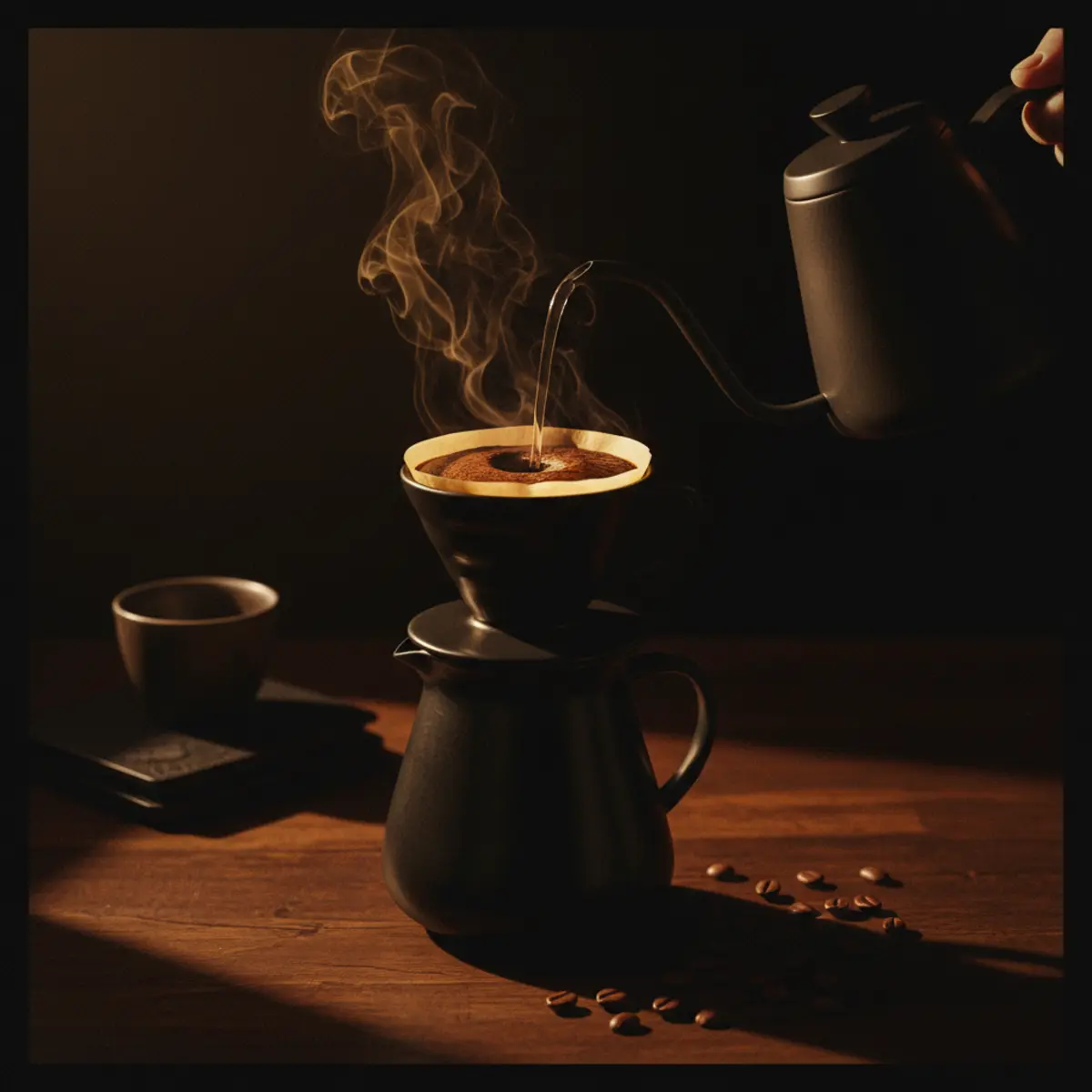
Pour-Over: 1:15 ratio, medium-fine grind, pulse-pour technique to keep the temperature stable through the entire brew. A steady, controlled pour gives you even extraction — which means a cleaner, sweeter cup.
- Bloom your grounds with 2x their weight in water for 30–45 seconds
- Pour in slow, steady circles — never dump all the water at once
- Keep your water temperature between 195°F and 202°F throughout
- Target a total brew time of 3:00 to 3:30 minutes for a 300ml cup
Drip Machine and Espresso Fixes
Espresso: If the shot is bitter, the golden rule is simple — coarsen the grind. If you're at 28 seconds and the cup tastes harsh, aim for 24 seconds. You want the extraction time to drop, not stretch. A well-dialed espresso shot should pull in 25–30 seconds with a 1:2 dose-to-yield ratio (18g in, 36g out).
Drip machine: If your machine doesn't let you control temperature (most don't), the grind is your only variable. Bitter cup? Go slightly coarser. It speeds up contact time and keeps the extraction from going too far. Both methods respond well to Colombian beans with a high SCA score because there's less room for error — fewer defects in the bean means fewer bitter surprises in the cup.
- Bitter espresso: Coarsen grind, shorten extraction time to 24–26 seconds
- Bitter drip coffee: Coarsen grind one step, check that your filter isn't clogged
- Still bitter after grind adjustment: Check water quality and clean your machine
How to Tell If Your Coffee Should Have Some Bitterness
Not all bitterness is a problem. Some of it is structural — it's what holds the cup together. Think of 70% dark chocolate or a dry red wine. That bitterness gives shape to the fruit notes. It's fleeting — it comes in, then clears to leave a sweet, clean finish. That's balanced bitterness, and it's something to appreciate, not fix.
Defective bitterness is a different thing entirely. That's the burnt toast, old cigarette taste that sits on your tongue for 10 minutes and leaves nothing pleasant behind. A properly balanced cup feels juicy. You taste the fruit acidity first, then a cocoa or nutty body, then a clean finish. If the bitterness shows up at the end and stays — that's when something went wrong.
Colombian specialty coffee, when brewed right, naturally lands in that juicy, balanced zone because the sugars developed at altitude give the cup a sweetness that keeps the bitterness in check. Having worked directly with Colombian farms, I can tell you that altitude above 1,500m isn't just a marketing number — it's the reason the cherry ripens slowly enough to build the sugar complexity that makes bitterness a background note rather than the headline.
- Good bitterness: Brief, clean, gives structure to fruit and sweetness — clears quickly
- Bad bitterness: Lingers, drying, metallic or ashy — no pleasant finish
- Roast bitterness: Chocolate or smoky — present but not harsh
- Defect bitterness: Sour-bitter, medicinal — no brewing fix will resolve it
FAQ — Bitter Coffee Questions Answered
Is bitter coffee over-extracted?
Usually, yes. Over-extraction is the most common cause of bitterness — it happens when water is too hot, the grind is too fine, or the brew time is too long. The result is a hollow, drying bitterness with a metallic aftertaste. Fix the grind or lower the temperature to 195°F–202°F and you'll notice the difference immediately.
Does dark roast mean more bitter coffee?
Dark roast has more roast-induced bitterness from surface oils and caramelized compounds. But in my experience, most bitter dark roast complaints are actually brewing issues. Drop your water temperature by 5 degrees before blaming the roast — that single adjustment resolves the majority of dark roast bitterness complaints.
Can water make coffee taste bitter?
Yes. Hard water with high mineral content pulls out bitter tannins from your grounds. If you've adjusted grind and temperature and the cup is still harsh, try filtered or bottled spring water — it's often the missing variable that no amount of grind adjustment can compensate for.
How do I make coffee less bitter without sugar?
Coarsen your grind, lower your water temperature to around 200°F, and shorten your brew time slightly. If you're grinding at the store and keeping the bag for weeks, invest in a conical burr grinder. Fresh-ground coffee brewed at the right temperature almost never needs sugar to be drinkable.
If you want to taste what a clean, balanced cup actually feels like, try Clemente 8th's single-origin Colombian medium roast. High altitude, naturally sweet, processed with care — it's the kind of coffee that shows you what you've been missing when bitterness gets in the way.


